Reflections on psychotherapy, trauma, relationships and embodied experience
Writing on psychotherapy, trauma, relationship and the nervous system
This page brings together articles and reflections arising from clinical practice, ongoing study and the questions that continue to shape how I think about psychotherapy.
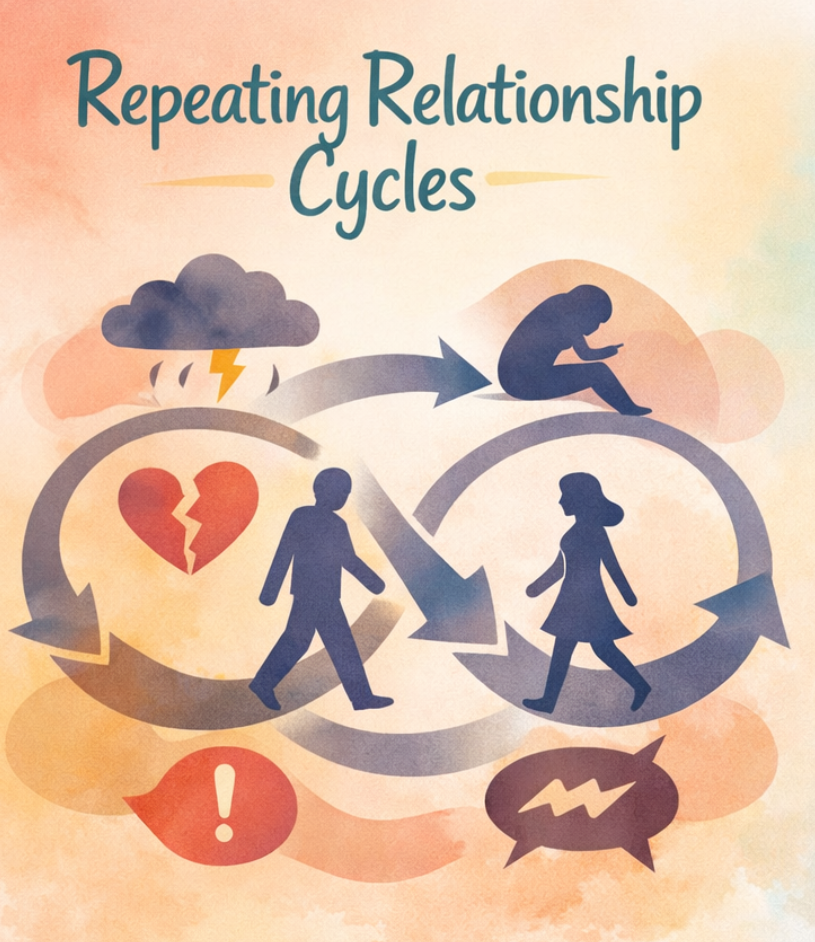
Some explore trauma, regulation, neurodiversity, neurofeedback, relational patterns and the process of therapeutic change. Others consider broader questions about adaptation, suffering, connection, responsibility, and what therapy may—and may not—be able to offer.
The aim is not to provide treatment advice or simple answers. These reflections offer a place to think more deeply about psychological experience and the ideas that inform my work.
If you are considering therapy and would prefer a practical starting point:
Getting started ›
For a quieter collection of words that have accompanied my thinking and work:
Words that accompany the work ›