Why do I go blank, overthink, or lose words under stress?

Why do I go blank, overthink, or lose words under stress?

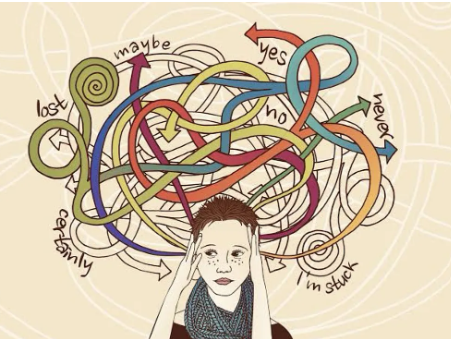
Some people seem articulate and capable until stress rises. Then the words disappear, thinking becomes scrambled, or the mind starts spinning. This article explores why going blank, overthinking, or losing words under stress can be a protective nervous-system response rather than a personal failing.

Read More

What makes therapy feel safe enough to begin — and safe enough to work?

What makes therapy feel safe enough to begin — and safe enough to work?

For therapy to help, it does not need to feel perfect, but it usually does need to feel safe enough. This article explores what helps create that sense of enough safety: pacing, steadiness, consent, attunement, clarity, and the possibility of rupture and repair.

Read More

Why do I dissociate when I’m stressed? Understanding dissociation as protection

Why do I dissociate when I’m stressed? Understanding dissociation as protection

Dissociation can feel confusing, frightening, or hard to explain. You may go blank, feel distant from yourself, lose time, or feel as though things are unreal. This article explains dissociation as a protective response rather than a personal failing, and outlines how therapy can approach it gently.

Read More

Why trauma therapy can feel subtle before it feels transformational

Why trauma therapy can feel subtle before it feels transformational

In trauma-informed therapy, the first signs of change are often quiet. A reaction may still arise, but pass more quickly. A familiar feeling may still be present, but no longer take over in the same way. This article explores why trauma therapy can feel subtle before it feels transformational, especially where developmental trauma, nervous-system regulation, pacing, integration, and relational safety are part of the work.

Read More

Trauma and relationships — why closeness can feel unsafe

Trauma and relationships — why closeness can feel unsafe

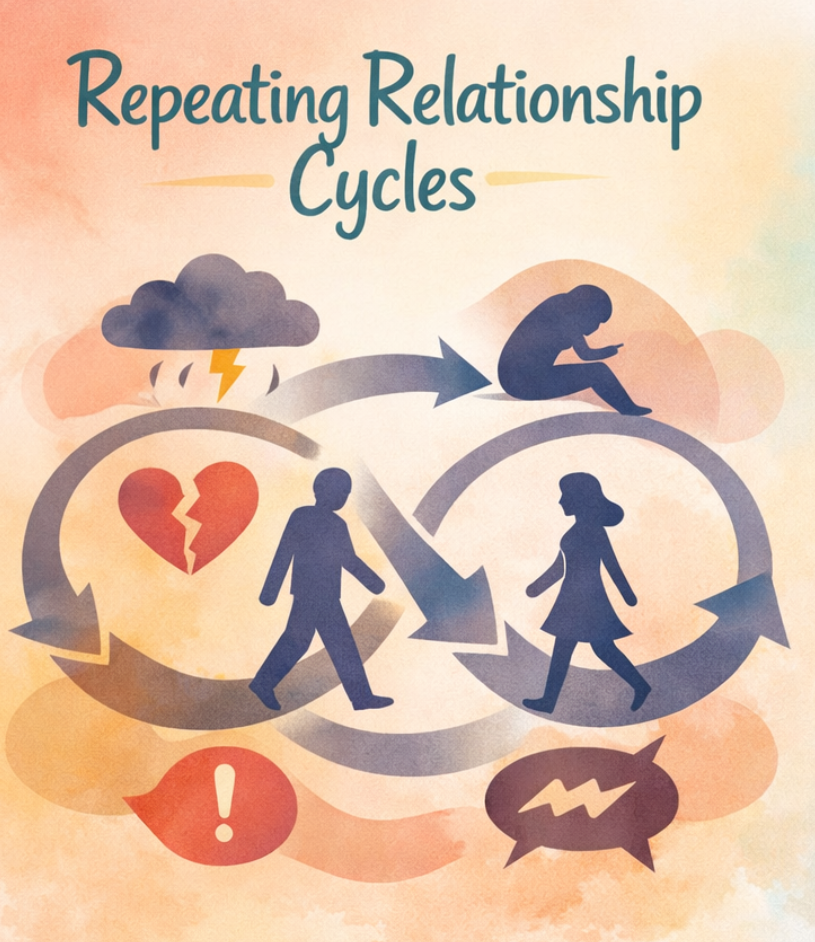
Many people long for closeness while also feeling anxious, guarded, ashamed, overwhelmed, or withdrawn in relationship. This article explores how trauma and relational wounding can shape patterns of contact, distance, mistrust, and longing, and why these patterns often make sense.

Read More

Why do I feel on edge all the time? Understanding hypervigilance

Why do I feel on edge all the time? Understanding hypervigilance

Feeling constantly on edge can be exhausting. This article explains hypervigilance in plain language: why the nervous system stays on guard, how trauma and chronic stress can shape this response, and why it is not a sign of weakness or overreaction.

Read More